Fresno State Transportation Institute
Transportation Program
Why It’s Important
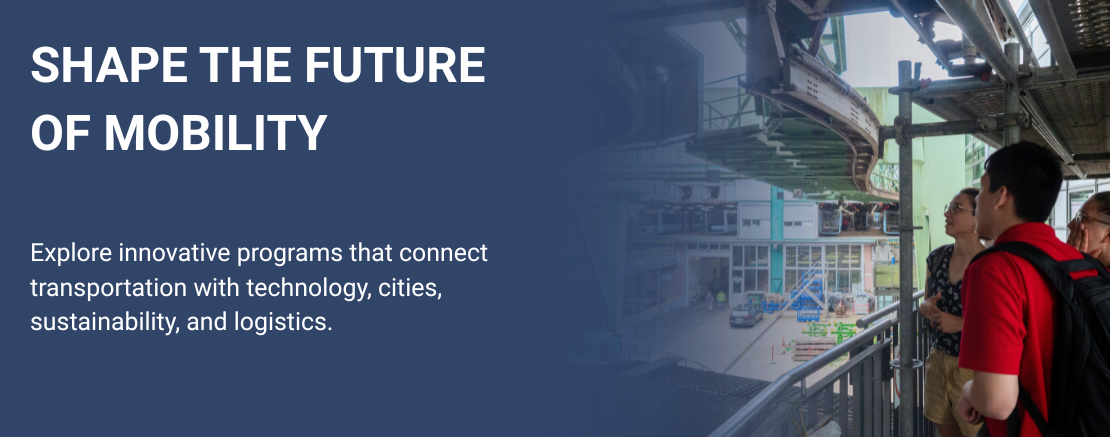
Transportation plays a foundational role in shaping communities, economies, and environments. As technologies advance and infrastructure demands evolve, there is a growing need for professionals who understand how to connect mobility with equity, sustainability, and innovation.
The Transportation Minor and Certificate Programs help address:
-
Critical regional challenges like urban congestion, emissions, and infrastructure gaps
-
The need for interdisciplinary solutions that go beyond traditional engineering
-
Local and national workforce development, especially in high-demand sectors such as smart mobility, logistics, and data-driven planning
By introducing students to the systems behind how people and goods move, the program empowers future leaders to influence the design of safer, cleaner, and more connected transportation networks.
About the Program
The Transportation Minor and Certificate Programs at Fresno State prepare students from all majors to address the evolving challenges of mobility, sustainability, logistics, and infrastructure planning. These interdisciplinary programs combine engineering, business, planning, and data science to offer students both foundational knowledge and real-world experience.
Students can pursue a minor or certificate in one of four focus areas:
-
Transportation Engineering and Technology – Focuses on transportation planning, traffic operations, autonomous vehicles, and alternative fuel systems.
-
Transportation and Cities – Explores the integration of land use, urban planning, and transportation equity, including impacts on health and environment.
-
Transportation and Environmental Sustainability – Addresses climate resilience, clean mobility, and the environmental impacts of transportation.
-
Transportation Logistics and Supply Chain – Emphasizes logistics systems, analytics, global distribution, and agricultural supply chain management.
Preparing Students for Future Careers
Career Pathways Include:
-
Intelligent Transportation Systems (ITS)
-
Autonomous & Connected Vehicles
-
Urban & Regional Transportation Planning
-
Aerospace & Transit Infrastructure
-
AI & Data Science in Transportation
-
Supply Chain & Logistics Management
-
Sustainable Mobility & Green Transportation
-
Public Health & Transportation Policy
These programs prepare students with the skills, knowledge, and real-world experience needed to succeed in a rapidly evolving transportation landscape. By blending emerging technologies, policy insight, and system-level problem solving, students are equipped to tackle today’s challenges and lead tomorrow’s innovations.
Program Includes:
-
Hands-on learning experiences through research projects, industry-led workshops, and simulation-based training that reflect real-world transportation challenges
-
Collaborative opportunities with public and private sector partners including; Caltrans, Tesla, Waymo, and regional planning agencies, offering valuable industry exposure and insight
-
Career-focused curriculum developed in consultation with transportation professionals to align with emerging trends and workforce needs
-
Interdisciplinary flexibility, allowing students from majors such as civil engineering, business, environmental science, public health, and data analytics to tailor the program to their academic and professional goals
These programs prepare students to address critical issues in smart mobility, infrastructure equity, sustainable logistics, and policy innovation. Leave with equipped practical skills, cross-sector knowledge, and a competitive edge for impactful careers in both public and private sectors.
-
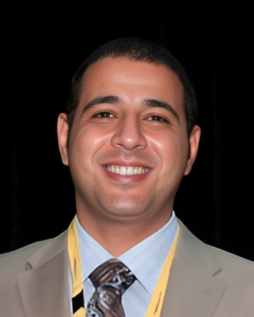
Dr. Aly Tawfik
Associate Professor of Civil Engineering
Transportation engineering, traffic operations, intelligent transportation systems -

Dr. Trang Phan
Assistant Professor of Civil Engineering
Transportation safety, travel behavior analysis, sustainable transportation -
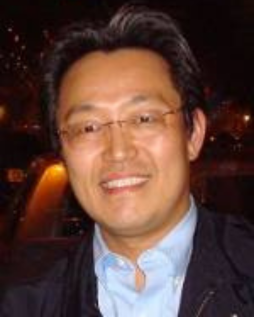
Dr. Jaymin Kwon
Professor of Public Health
Air quality, exposure assessment, environmental epidemiology
-
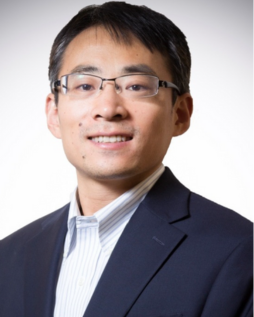
Dr. Hongwei Dong
Associate Professor of Geography and City & Regional Planning
Urban planning, land-use modeling, transportation geography -
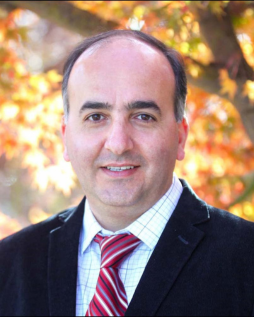
Dr. Hovannes Kulhandjian
Associate Professor of Electrical and Computer Engineering
Wireless communications, sensor networks, embedded systems -
Insert faqs reread the documents provided
get feedback on overall website see if anyplace is unnessary
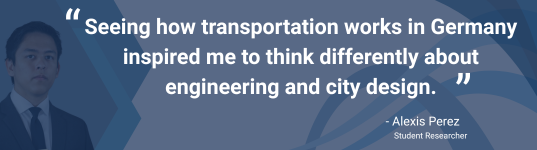
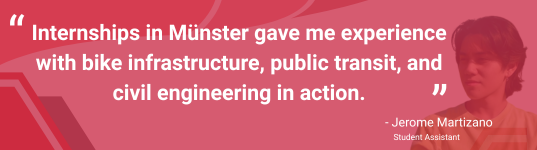
"hold back on the qoutes section until approved is yes make 3 distribute evenly
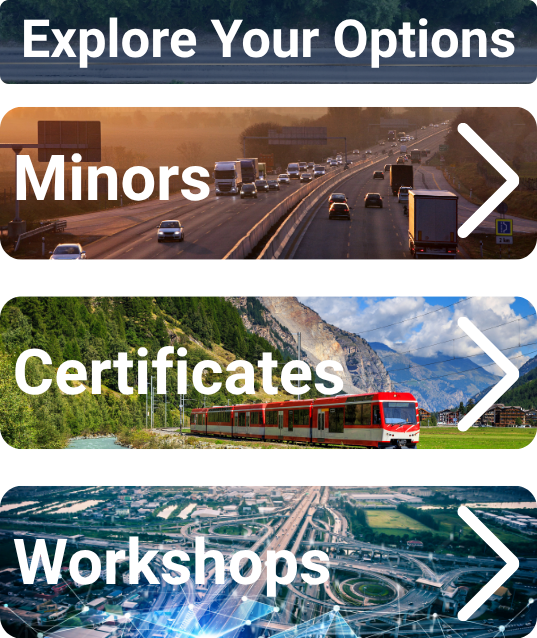
link the photos for certifications, minor and workshops
Placeholder faqs:
-
What is the difference between a minor and a certificate?
-
Who can enroll in these programs?
-
Do I need to be an engineering major to participate?
-
How long does it take to complete a certificate or minor?
-
Will this program help me get an internship or job?
-
Are there any prerequisites for enrolling?
-
Can I take workshops without enrolling in a certificate or minor?
-
Is financial aid available for these programs?
-
Who do I contact for academic advising?
For more information contact:
Dr. Aly TawfikAssociate Professor of Civil Engineering in the Lyles College of Engineering
tawfik@csufresno.edu
559.278.2500